The Evolution of Basketball Flooring: From Hardwood to Modular Tiles
The transformation that has taken place in basketball flooring surfaces has been enormous, as it started as a traditional hardwood court but has, over the decades, evolved into a modular tile that has the flexibility, durability, and performance. This has changed due to increased demands of the players, facility owners, and homeowners to have safe, durable, and easy-to-maintain basketball surfaces. One of the leading producers of this revolution has been ZSFloor Tech, which is an approved manufacturer of FIBA and which provides innovative solutions to both professional and recreational courts.
The Era of Traditional Hardwood Courts
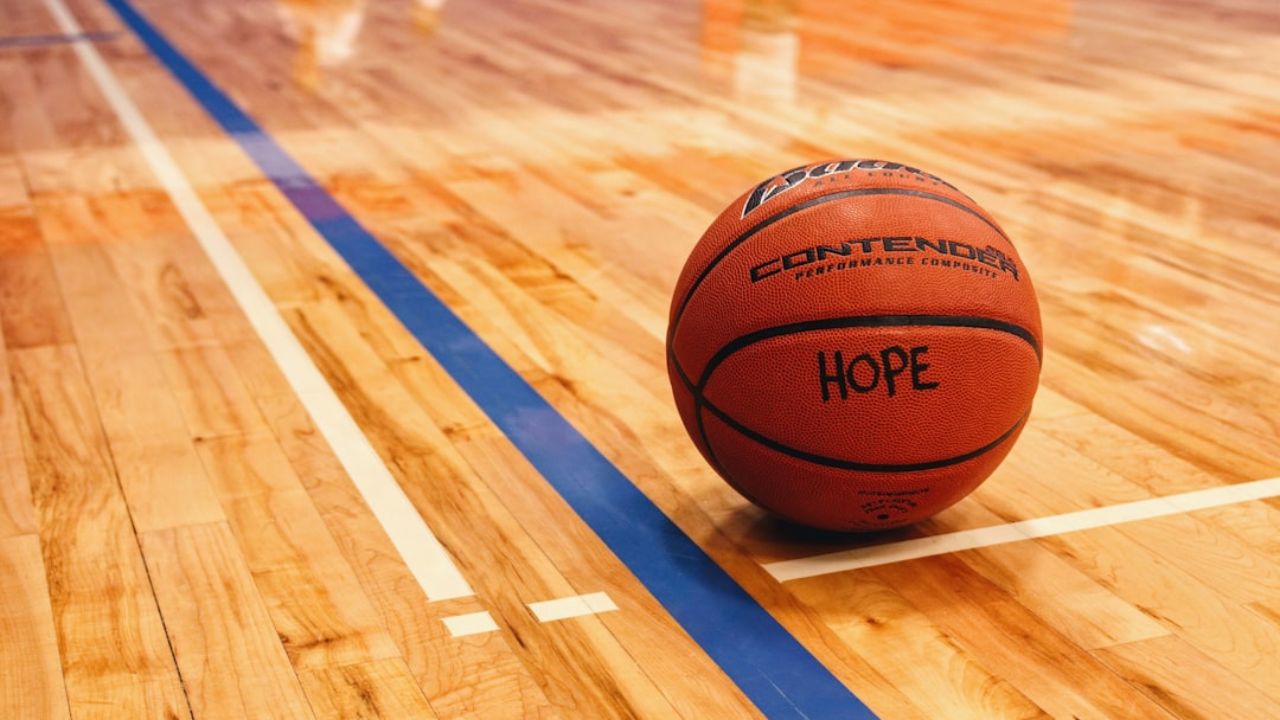
Throughout most of basketball history, professional and amateur courts have been made of hardwood. Oak was frequently used as it was strong, dense, and capable of offering the same ball bounce. Hardwood floors were also smooth and responsive, and thus they bettered the performance of the players as dribbling, controlling movements, and the predictability of rebounds became possible. The traditional gloss and polish finish enhanced aesthetic value to arenas as well, with a professional atmosphere that players and audience enjoyed.
Although they had benefits, hardwood courts faced a number of difficulties. It was very much to do with an enormous consumption of materials and labor in the installation, and it may require weeks before it is fully built. It was also not easy to maintain since it had to be periodically sanded, refinished, and kept free of moisture. Floors with high traffic might also be subject to wear and tear, which can be a safety hazard to the hardwood floors. Conventional hardwood was not quite practical whenever it was utilized to set up outdoor courts or when applied in the home areas.
The Synthetic and Rubber Surfaces
Facility managers and homeowners began to consider other materials with the increase in popularity of basketball in non-professional settings. Synthetic surfaces (rubber and vinyl) were also applied in school gymnasiums, community courts, and outdoor courts. These were stronger, shock-absorbing, and required less maintenance than hardwood. The synthetic floors may be less sensitive to moisture and temperature changes, hence could prove to be useful in multi-purpose applications.
These surfaces were, however, limited. There was a lot of inconsistency in ball bouncing and traction, and certain materials might be too soft or unreactive to be taken seriously by serious players. There were few aesthetic choices, and the long-term durability was still doubtful when used under heavy load or in extreme weather conditions. This gap of performance and convenience created a way to the next stage of the basketball flooring innovation.
Modular Tiles: The Modern Solution
Modular basketball court tiles have been brought in, which have transformed the sports flooring industry. Modular systems, which ZSFloor Tech sells, are meant to deliver professional-level functionality with easy installation, maintenance, and configuration. These interlocking tiles are fabricated of quality polypropylene that is UV stabilized, such that these tiles can endure temperatures between -40°F and 176°F without loss of structural strength or color brightness.
The versatility of modular tiles is one of the greatest benefits of the product. They may be either indoors or outdoors and mounted on top of concrete, asphalt, or even on existing surfaces of stone or gravel. The average backyard basketball court that is 500 square feet can be put together in two to three hours, and allows professional-level basketball flooring to be available to homeowners and in schools without special equipment or work. The design of the tiles gives high impact resistance, vertical ball bouncing, and gives the tiles traction, which is virtually similar to that of traditional hardwood.
Another important advantage is customization. The players and the owners of the facilities have many options of colors, logos, and patterns of the game lines to make an individual court that portrays individual style or branding. The modular construction also gives an opportunity to replace the damaged parts easily without replacing the whole floor, giving the court a longer life.
Conclusion
The movement of hardwood to the modular basketball tiles symbolizes the development of the sport and the need to have more convenient, high-performance surfaces. Though hardwood is still a classic and symbolic one, modern modular systems, such as tiles of ZSFloor Tech, have reinvented what could be done with professional and leisure courts. They are durable, aesthetically versatile, and convenient to provide the players with a dependable surface to play basketball and facility owners and homeowners with an effective and long-lasting solution. With the ever-growing technology, it is expected that basketball flooring will be improved, and in the future, the tradition will always be balanced with innovations to suit the needs of players worldwide.