What to Think Through Before Buying a Toilet with a Sink on Top
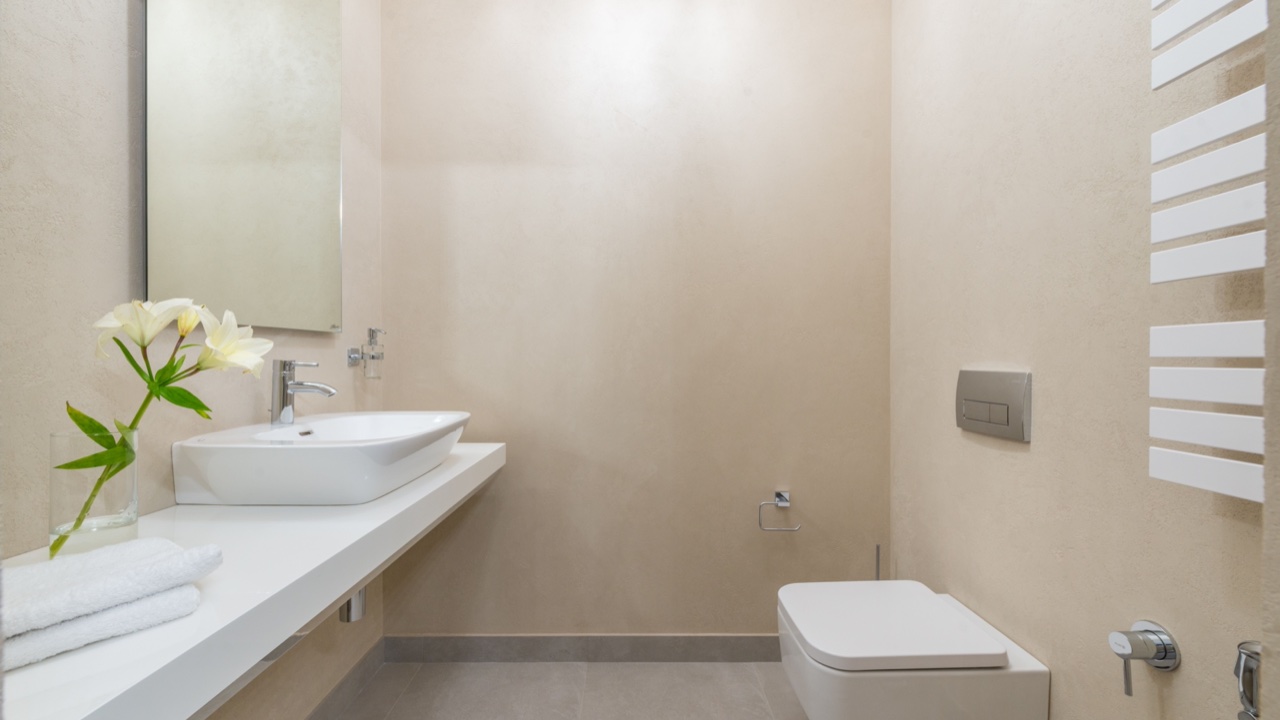
I didn’t know these existed until I had to redesign a cloakroom that was barely big enough to turn around in. The plumber suggested it almost as an afterthought — a toilet where the cistern lid is replaced by a small basin, so the water you wash your hands with drains into the tank and gets used for the next flush. Once I understood the concept, it seemed obvious. Once I started researching them, I realized there are a few things worth thinking through before you buy.
How the Greywater System Actually Works
The basic principle is simple: you wash your hands over the basin, the water drains into the cistern, and that water gets used for flushing. You’re not drinking it, you’re not cooking with it — it’s going into the toilet bowl. The net result is that you use less water overall, because the flush draws on what would otherwise go straight down the drain.
What this means in practice is that you need to use a hand soap that won’t damage the cistern mechanism over time. Harsh chemicals or heavily fragranced soaps aren’t ideal. Mild liquid soap works fine. It’s a small adjustment to what you keep in the cloakroom, but worth knowing before you’ve already tiled everything and realized you can’t change it easily.
The system also means there’s no separate basin tap connected to your cold supply — the tap on the basin feeds the cistern directly. So you’re washing your hands in cold water. In a downstairs WC used briefly throughout the day, this is usually a non-issue. In an en-suite that someone uses in the morning, it might matter more depending on personal preference.
Rimless Flushing: Why It’s Worth Paying Attention To
Most traditional toilets have a rim around the inside of the bowl — the water flows through channels under that rim during a flush. These channels are notoriously difficult to clean and are where limescale and bacteria accumulate over time. Rimless toilets eliminate that channel entirely. The flush is directed across the bowl’s surface in a way that covers more area with less water and leaves nowhere for buildup to hide.
For a small cloakroom that gets regular use, this matters practically. You clean the bowl by running a brush around the inside — no awkward angles, no trying to get under a rim you can’t see into. The flush itself tends to be more effective, which matters in a WC that doesn’t get heavily used (stagnant water and infrequent flushing can contribute to staining in traditional bowl designs).
The short projection from the wall that comes with close-coupled designs like this also helps — less toilet overall means less to clean, and the compact footprint is the whole point of choosing this type of unit in the first place.
Dual Flush: The Numbers Are Worth Looking At
A typical single-flush toilet uses somewhere between 6 and 9 litres per flush depending on its age and design. Modern dual-flush toilets typically offer a half flush of around 3 litres and a full flush of around 4.5 to 6 litres. Combine that with greywater recycling — where the flush water came from your handwashing rather than directly from the mains — and the water savings in a household with regular use are real over the course of a year.
This isn’t a compelling reason on its own to choose a combined unit if the design doesn’t suit your space, but if you’re already looking at compact cloakroom solutions, the efficiency case makes the choice easier to justify.
Left Hand Side vs Right Hand Side: Get This Right Before Ordering
The tap on the basin feeds water into the cistern, which means the tap connection comes off the cold supply. Depending on where your supply enters the cistern — which is determined by the unit’s configuration — you’ll need the tap hole on the left or right side to match your plumbing layout.
This is the kind of detail that’s easy to overlook when ordering online and expensive to get wrong. If the supply comes up from the left and you’ve ordered a right-hand tap configuration, your plumber either reroutes the pipe (adding cost) or you order a replacement unit (adding cost and delay). Check where your existing cold supply enters the cistern space before selecting. If you’re planning a new installation from scratch, decide on the configuration first and route the plumbing accordingly.
What the Installation Actually Involves
A toilet with sink on top fits the same footprint as a standard close-coupled toilet, so in a straightforward replacement, the pan sits where the existing pan was and connects to the same soil pipe. The additional consideration is the cold water supply to the basin — you need a feed to the cistern’s tap position, which in most UK cloakrooms means extending a branch from the existing cold supply.
The tap and waste aren’t always included, so confirm what comes with the unit before purchasing. The waste from the basin drains into the cistern, which is internal to the unit, but the tap needs its own connection. These are small considerations that a competent plumber handles easily — but going in aware of them means the installation quote is more accurate and there are no surprises on the day.
Professional installation is genuinely recommended here. The greywater mechanism is straightforward in principle but needs to be correctly configured to work as intended. A unit installed without proper attention to the cistern fill and drain setup can either waste water or underperform on flushing, which defeats the point.
Is It Right for Your Space?
For a compact cloakroom, a downstairs WC, or a small en-suite where space is the primary constraint, a combined unit makes a lot of sense. You get two fixtures in the space one would normally occupy, the water efficiency is a genuine benefit, and the rimless design is easier to maintain than older toilet styles.
The tradeoff is that the basin is small — it’s a handwashing basin, not a utility sink — and the cold water only will be a consideration for some users. If the cloakroom is primarily used for quick handwashes and the space is limited, those tradeoffs are usually easy to accept.
Getting the tap side right before ordering and having a plumber handle the installation properly are the two things most likely to determine whether the experience goes smoothly. Everything else is relatively straightforward.