Specification Standardization for Builders Buying Kitchen Cabinets at Scale: Balancing Design Variety with Procurement Efficiency
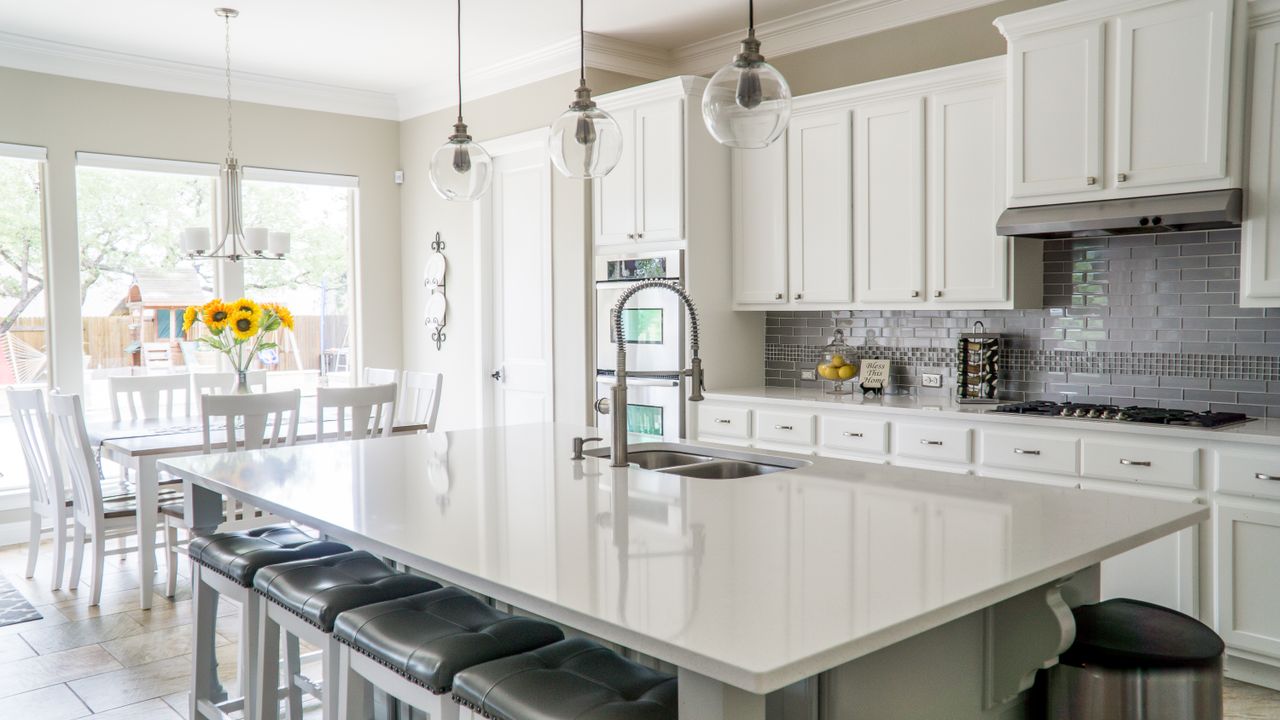
Residential builders who want both design variety across their product range and procurement efficiency from their cabinet supplier are asking for two things that pull in opposite directions. More SKUs mean more complexity — more items to track, more opportunities for order errors, more partial shipments, and more components that can run out of stock at the wrong moment. Fewer SKUs mean simpler operations but constrain what the sales team can offer buyers. The builders who manage this tension well tend to do it through deliberate specification architecture rather than through supplier negotiation alone.
The cost of unmanaged variety
A builder who offers buyers genuine choice — three door styles, four finish colors, two hardware finishes, two layout configurations — is theoretically offering 48 combinations per kitchen. In practice, most buyers pick from a much narrower range, but the builder’s supply chain has to be prepared for all of them. Each combination that ever gets ordered needs to be in the specification system, needs to have been quoted and approved, and needs to have lead times and minimum quantities attached to it. Each new combination that a buyer requests mid-project creates a custom order that sits outside the standard procurement flow.
Builders who have let their specification lists grow organically — adding options one at a time as sales or design teams request them — often find that a large proportion of their listed options have been ordered once or twice in the past few years. These long-tail items have no inventory efficiency, often have minimum order quantities that can’t be met within a single project, and consume specification and quoting time disproportionate to their revenue contribution.
An audit of which combinations actually get ordered, run against the full specification list, typically reveals that 20–30% of listed options account for 80–90% of orders. This is the starting point for a rationalization conversation — not to eliminate variety, but to identify which variety is delivering sales value and which is just specification complexity.
How to structure a tiered specification system
The most effective approach for mid-volume builders is a tiered specification system: a small core tier of configurations that are always available and always stocked, a secondary tier of configurations that are available with standard lead times, and a custom tier that covers anything outside the first two tiers and is handled as a bespoke order with extended lead time and potentially different pricing.
The core tier should cover the configurations that the builder’s data shows represent the majority of actual orders. For a typical production builder, this might be two door styles (a shaker and a slab), two to three finish colors (a white or off-white, a gray, and a wood tone), and one hardware specification per tier of the product range. These are the configurations the builder commits to with the supplier, negotiates favorable pricing on, and potentially holds some finished goods stock for.
The secondary tier covers configurations that have meaningful demand but not enough for core-tier commitment — a fourth color option, a premium door style that sells in the move-up product tier, a specific hardware finish that works with one design package. These are ordered to project timelines rather than held in stock.
The custom tier exists so the sales team can say “yes, we can do that” without it contaminating the core specification process. The key is that custom orders are clearly flagged as custom, priced accordingly, and don’t get conflated with standard orders in production scheduling.
Communicating the system to sales
A tiered specification system only works if the sales team understands which tier each option sits in and communicates lead times and pricing accurately to buyers. The most common failure mode is a sales conversation that offers the full option range without distinguishing between what’s in stock and what requires a 6-week lead time. The buyer then signs a contract expecting a standard delivery, and the site superintendent is managing a production schedule that requires cabinets before the custom order can arrive.
The specification architecture needs to be reflected in the sales tools: a standard package with core-tier options, an upgrade package with secondary-tier options (with explicit lead time callout), and a custom option that flags the extended timeline and potential pricing premium from the first conversation rather than at order placement.
For builders kitchen cabinets programs that run across multiple projects simultaneously, the specification sheet that goes to the cabinet supplier for each project should identify which options are from the core tier (and can be pulled from stock or expedited) and which are from secondary or custom tiers (and need to be tracked separately for delivery).
What standardization enables in supplier negotiation
A builder who can tell a cabinet supplier “these eight configurations represent 85% of my annual volume, and I’m willing to commit to minimum quantities across these configurations” is in a meaningfully different negotiating position than a builder who places variable orders across a wide specification list. The supplier’s production efficiency improves when they’re not constantly switching dies, reconfiguring finish lines, or handling small runs of unusual configurations.
The economics of that efficiency can be shared with the buyer in several ways: lower unit pricing on the committed configurations, priority production scheduling during peak periods, reduced or waived minimum order quantities, or access to dedicated inventory that the supplier holds specifically for that builder’s program. Which of these concessions is most valuable depends on the builder’s specific pain points — price, delivery reliability, or minimum order flexibility.
The prerequisite is having the data to make the commitment credibly. A builder who wants to negotiate on committed volume but hasn’t done the analysis to know which configurations actually represent that volume is asking the supplier to take a leap of faith. Running the actual order history first makes the commitment real and the negotiation productive.
Specification drift and how to prevent it
Even well-designed specification systems tend to expand over time as new options get added for one-off reasons — a buyer who wants a specific color that isn’t in the standard range, a designer who specifies a door profile that works for one project, a sales manager who adds an option to close a deal. These additions are individually justifiable but collectively undermine the efficiency of the specification architecture.
Managing this requires a deliberate process: new options should require justification against the volume threshold (will this generate enough orders to warrant adding it to the system?), should have a probationary period (if it doesn’t reach a minimum order volume in 12 months, it’s removed), and should not be added to the standard specification list until they’ve been ordered at least once as a custom item and confirmed to be producible within normal quality and lead time parameters.
The goal is not a frozen specification list that never changes. It’s a specification list that changes intentionally, based on actual demand data, rather than growing passively in response to one-time requests.