How Corporate Branded Water Bottles Became the Drinkware Default — and What It Means for Bulk Orders
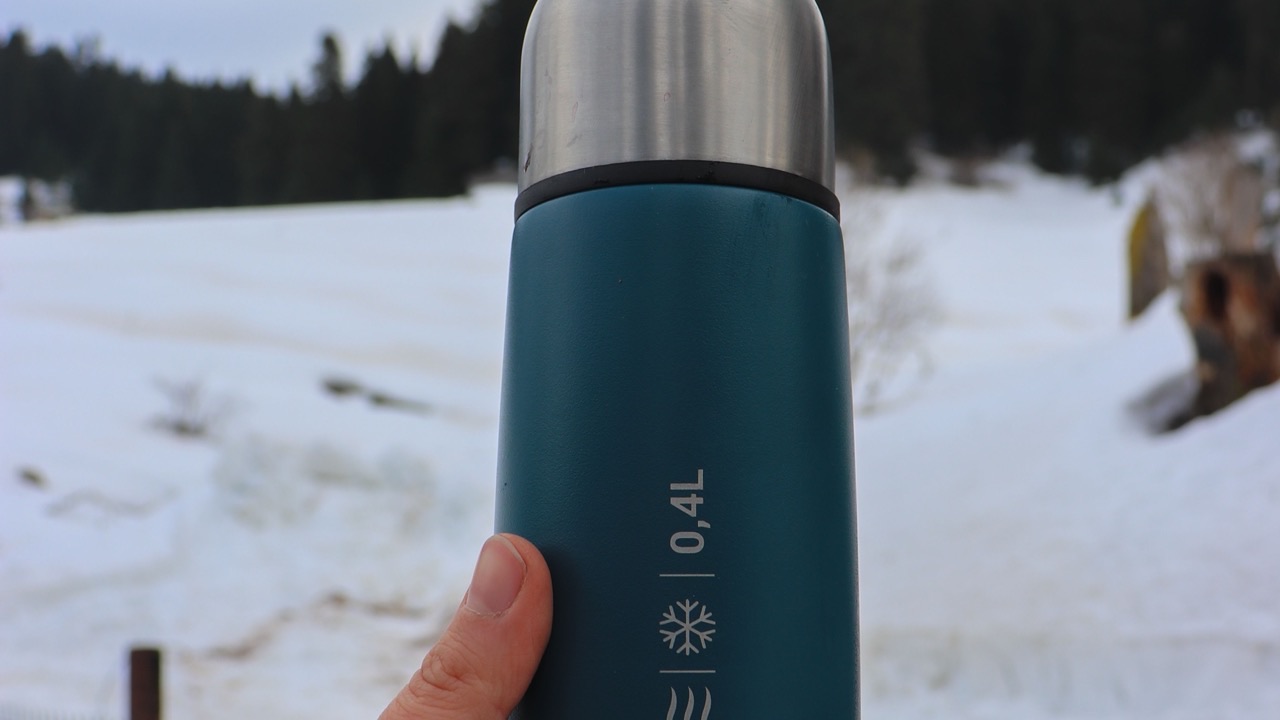
Walk through the gift room at any medium-to-large corporate event and you’ll see stainless steel insulated water bottles. Walk past the desks in most open offices and you’ll see the same thing — bottles from company events, from onboarding kits, from team offsites. The format has become so common in corporate gifting and branded merchandise that it’s easy to forget how recently this happened, and why it happened so fast.
Understanding the shift matters if you’re the person placing bulk drinkware orders, because the same forces that made insulated water bottles the default also determine what works in this category and what doesn’t.
How plastic and ceramic lost the category
For most of the 2000s, the standard corporate drinkware options were plastic bottles with printed logos and ceramic mugs. Both categories had real problems that recipients noticed even if procurement teams didn’t.
Plastic bottles suffered from two issues that became more visible over time: concerns about material safety — the BPA conversation changed how people thought about putting plastic in extended contact with beverages — and poor durability. A printed plastic bottle looks fine when new. After a year of use, the logo has worn, the material has developed surface scratches, and the product communicates something about the brand that no one intended.
Ceramic mugs had a different problem: they were desk-bound. They didn’t travel, they broke when dropped, and after a few years most households had accumulated more corporate mugs than anyone needed. The utility of a ceramic mug as a gift declined as recipients became more selective about what made it out of the cabinet.
Stainless steel vacuum-insulated bottles solved both problems at once. The material is durable — there’s no coating to wear, no printed surface to fade, and stainless steel’s resistance to denting and corrosion means the bottle looks acceptable after years of use. And the insulation performance made it something people actually used daily, outside the office. A bottle that goes to the gym, the commute, the hiking trail, and weekend activities creates brand impressions beyond the desk. That expanded daily presence is what made the category attractive to brands who track how often a gift gets used.
What happens to the category when everyone uses the same product
When insulated water bottles became standard corporate gifts, the supplier landscape expanded rapidly to meet the demand. More suppliers meant more price competition, which meant pressure on margins that eventually moved downstream to material and manufacturing quality.
The result is a category with enormous price variance and less obvious quality differentiation than buyers might expect. Two bottles with identical spec sheets — same stated capacity, same claimed insulation performance, same 18/8 stainless designation — can perform very differently in actual use. The difference comes from variables that don’t appear in catalog listings: the quality of the vacuum seal between the double walls, the actual gauge of the steel, the precision of the lid seal, the durability of the powder coat or surface finish.
This price compression created a real problem for corporate buyers. The per-unit savings from a cheaper supplier are visible on a purchase order. The brand impression created by a bottle that leaks, loses vacuum integrity after six months, or develops a coating that chips at the edges is less visible at ordering time but entirely visible to everyone who receives the gift.
What the volume context changes about evaluation
A single bottle purchase is low-stakes. If it underperforms, one person is disappointed. A bulk order of 500 or 2,000 units multiplies whatever the product does — good or bad — across every recipient.
This changes the calculus for how much effort to put into supplier evaluation. For small orders, the cost of thorough evaluation exceeds the cost of a mediocre outcome. For bulk orders, the cost of evaluation is a small fraction of the total spend, and the downside of a poor product is proportionally large: a branded item that underperforms doesn’t just fail to build goodwill — it actively creates a negative association that runs counter to the purpose of the gift program.
Sample evaluation is more important in this category than in most. The variables that determine whether an insulated bottle is actually good — vacuum integrity, lid mechanism, steel feel — can’t be assessed from a photo or a datasheet. Fill a sample with ice water and observe the exterior temperature after two hours. Use the lid one-handed for a week. Check the coating at the rim after regular washing. These tests take a few days and catch the failures that catalog specs don’t reveal.
MOQ and lead time are the other procurement constraints that shape the decision. Suppliers with the capacity to handle large orders reliably — consistent batch quality, predictable delivery windows, willingness to accommodate custom colors and engravings — are a shorter list than suppliers who can produce a good sample.
For teams sourcing wholesale insulated water bottles at volume, the quality evaluation criteria are the same as for a single purchase, but the stakes of getting them right are proportionally higher. The bottle that ends up in 1,000 hands is the brand communication — treat it accordingly.
The category became the default because it earned its place. Staying in that position requires the product itself to hold up. In a crowded supplier market, that’s a distinction worth finding before the order is placed.