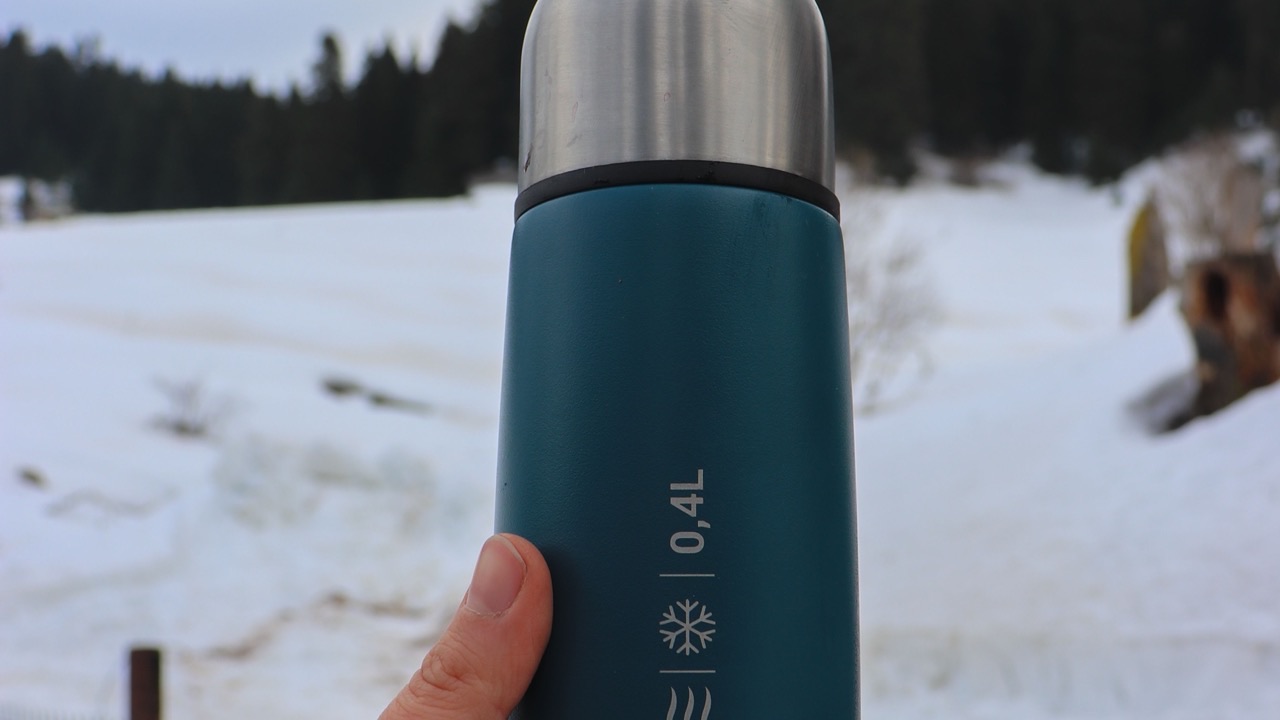
Why Two Stainless Steel Tumblers with the Same Spec Sheet Keep Different Temperatures for Very Different Lengths of Time
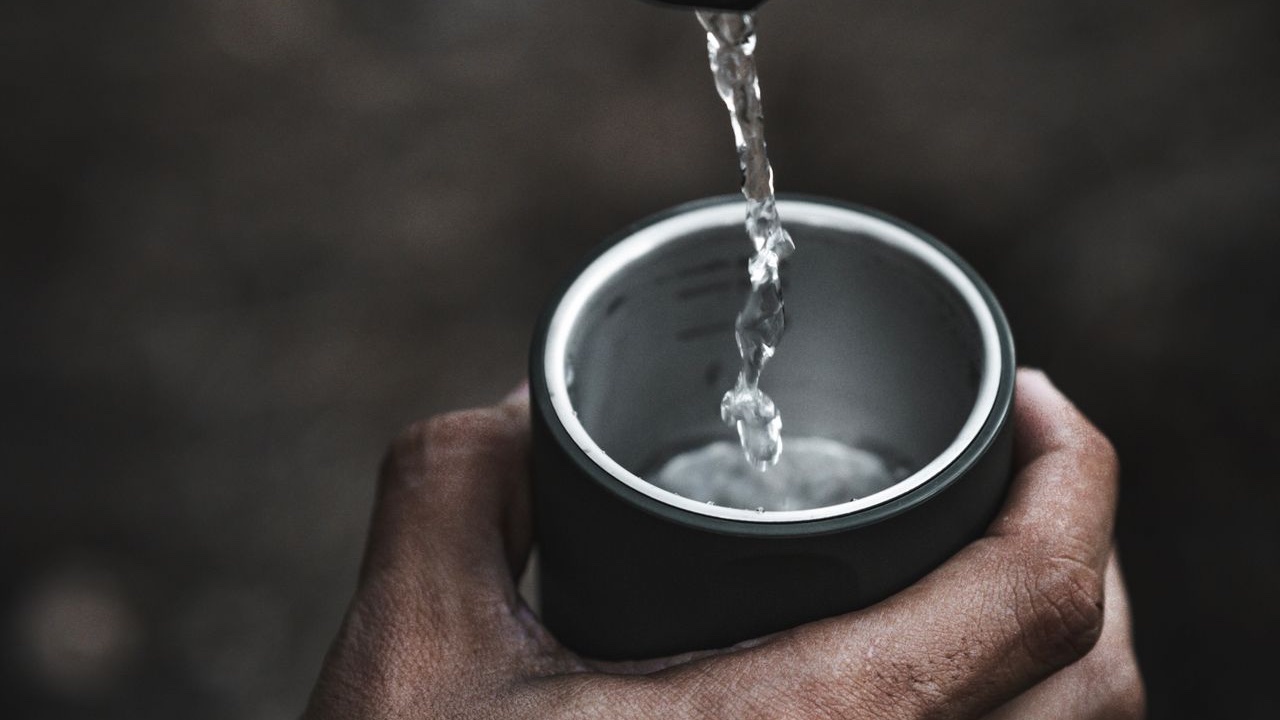
I had two tumblers on my desk last year that both claimed 24-hour cold retention. Same stated capacity, same double-wall vacuum insulation on the label, prices about eight dollars apart. One kept my drink cold into the afternoon. The other was room temperature by lunch.
Both were technically double-wall vacuum insulated. Both were made from 18/8 stainless steel. The spec sheets were almost identical. So I started actually looking at what makes these things perform differently, because if you’re buying in volume, the difference between a tumbler that earns repeat business and one that generates complaints is worth understanding before the order ships.
Vacuum Quality Is the Variable No Spec Sheet Will Tell You
Double-wall vacuum insulation works because a vacuum conducts almost no heat. Air conducts heat relatively well; a true vacuum conducts essentially none. So the performance difference between two vacuum-insulated tumblers mostly comes down to how good the vacuum actually is — and that’s determined by the manufacturing process, not the materials.
Creating a vacuum between two stainless walls requires evacuating the air through a small port, then sealing it. If the seal isn’t tight, air slowly re-enters over months and the insulation degrades. If the evacuation wasn’t thorough enough at the factory, the “vacuum” layer has residual air from the start. You can’t detect either of these problems by looking at the tumbler or reading a spec sheet. You find out when the performance is mediocre and there’s no obvious reason why.
The way to get some confidence here is to ask about the factory’s QC process for the vacuum step specifically — whether units are tested for vacuum integrity after sealing and how that’s done. A factory that tests every unit will give a different answer than one that spot-checks batches. It’s also worth asking about the warranty claim rate on insulation failure for previous production runs. A supplier who tracks that number is a different operation than one who doesn’t.
Wall Thickness Matters, but Not Always in the Direction You’d Expect
Thicker stainless walls sound like they’d insulate better, but the wall itself isn’t the insulating layer — the vacuum gap is. What wall thickness actually affects is how quickly the outer wall heats or cools from the ambient environment, and how much thermal mass the tumbler has.
Thinner outer walls heat up faster from a warm room but also don’t transfer that heat inward as quickly as thicker walls would. The relationship is complicated enough that wall thickness alone isn’t a reliable predictor of performance. What matters more is whether the vacuum gap is consistent in depth around the full circumference, which requires tight manufacturing tolerances. A gap that’s 3mm in one spot and 1mm in another performs worse than a uniform 2mm gap even if the average is the same.
This is one of the reasons the manufacturing quality of the supplier matters more than the material spec. 18/8 stainless steel is a commodity. Consistent wall spacing across thousands of units in a production run is not.
The Lid Is Where Most of the Performance Difference Actually Comes From
After looking at this more carefully than I expected to, I’m convinced the lid accounts for more of the real-world insulation difference between tumblers than most people realize. A lid that seals well traps the cooled or heated air column above the liquid; a lid that fits loosely lets it escape and exchange with ambient air constantly.
Straw lids with flip-top mechanisms are the most common failure point. The mechanism has to open and close reliably, which means there has to be some clearance in the hinge — and that clearance is also where thermal exchange happens. Some designs handle this better than others, with gaskets or labyrinthine seals that reduce air movement without making the lid hard to open. Others just have a loose flap that happens to keep rain out.
If you’re evaluating samples before a wholesale order, one of the more useful informal tests is to fill the tumbler with ice water, close the lid, and leave it somewhere warm for four hours. A lid that seals well will keep the condensation pattern on the outside of the tumbler lower; a leaky lid allows a thermal column to form and you’ll see condensation higher on the outer wall. It’s not a precise measurement, but it’s a real signal.
What to Actually Ask Before Placing a Wholesale Order
For wholesale stainless steel tumblers, the questions that surface real quality differences aren’t about materials — they’re about process. What’s the testing protocol for vacuum integrity? What lid seal design does this model use, and is there a gasket? What’s the wall gap tolerance in the manufacturing spec? Has this model been in production long enough to have real-world performance data?
A supplier who can answer those questions in specific terms is probably making a better product than one who defaults to “18/8 stainless steel, double-wall vacuum insulated, 24-hour cold retention” without elaboration. Those phrases describe a category, not a product. The performance is in the details that don’t fit on a spec sheet, and knowing which questions to ask is how you find out whether those details are actually there.
The eight-dollar difference between my two tumblers wasn’t mostly about material cost. It was mostly about whether the vacuum was done right and whether the lid sealed properly. At wholesale stainless steel tumblers quantities, those differences compound — across the units, across the orders, and across the customer feedback that follows.